
Fall Immune Support for Families: Tips From a Naturopath
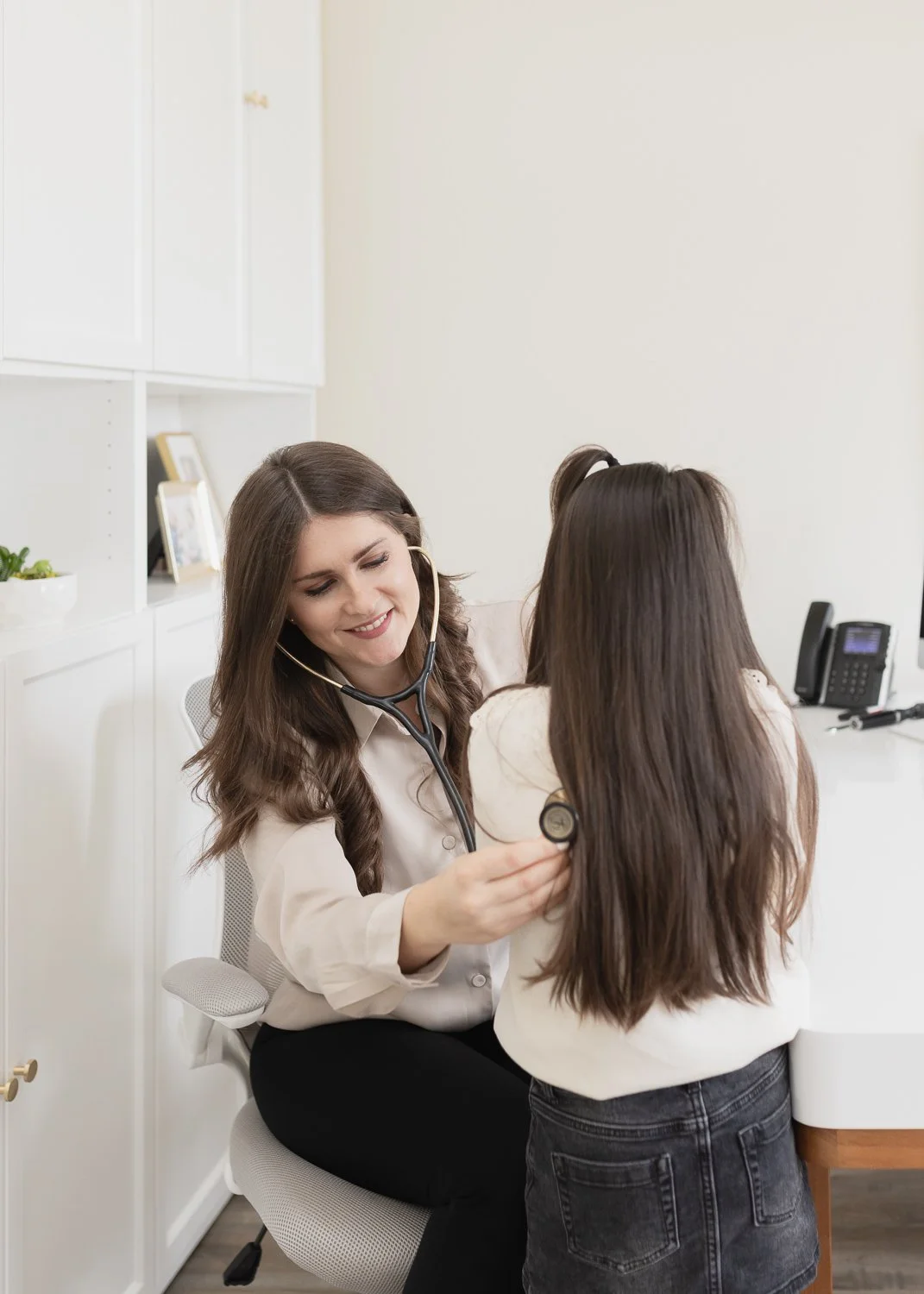
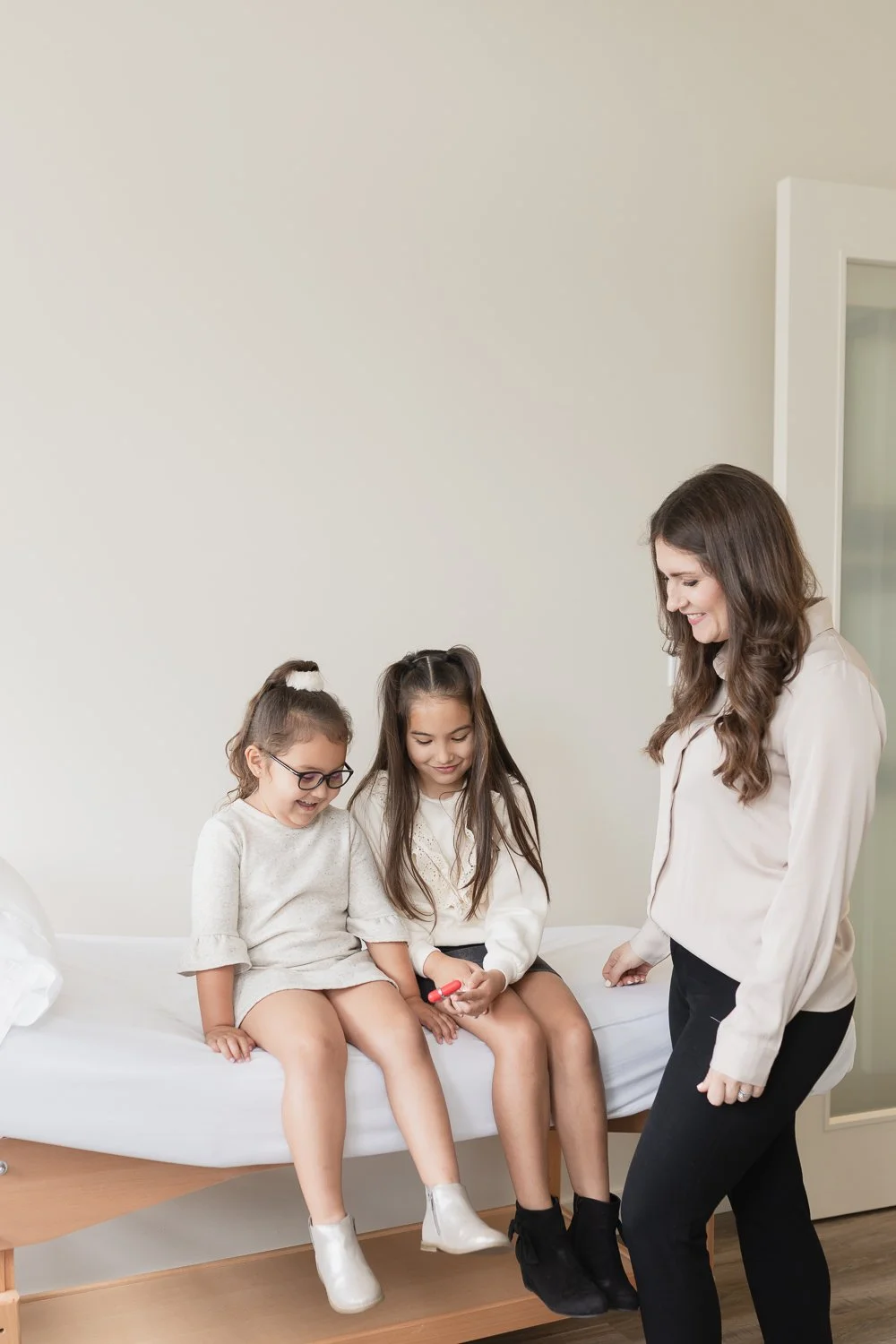
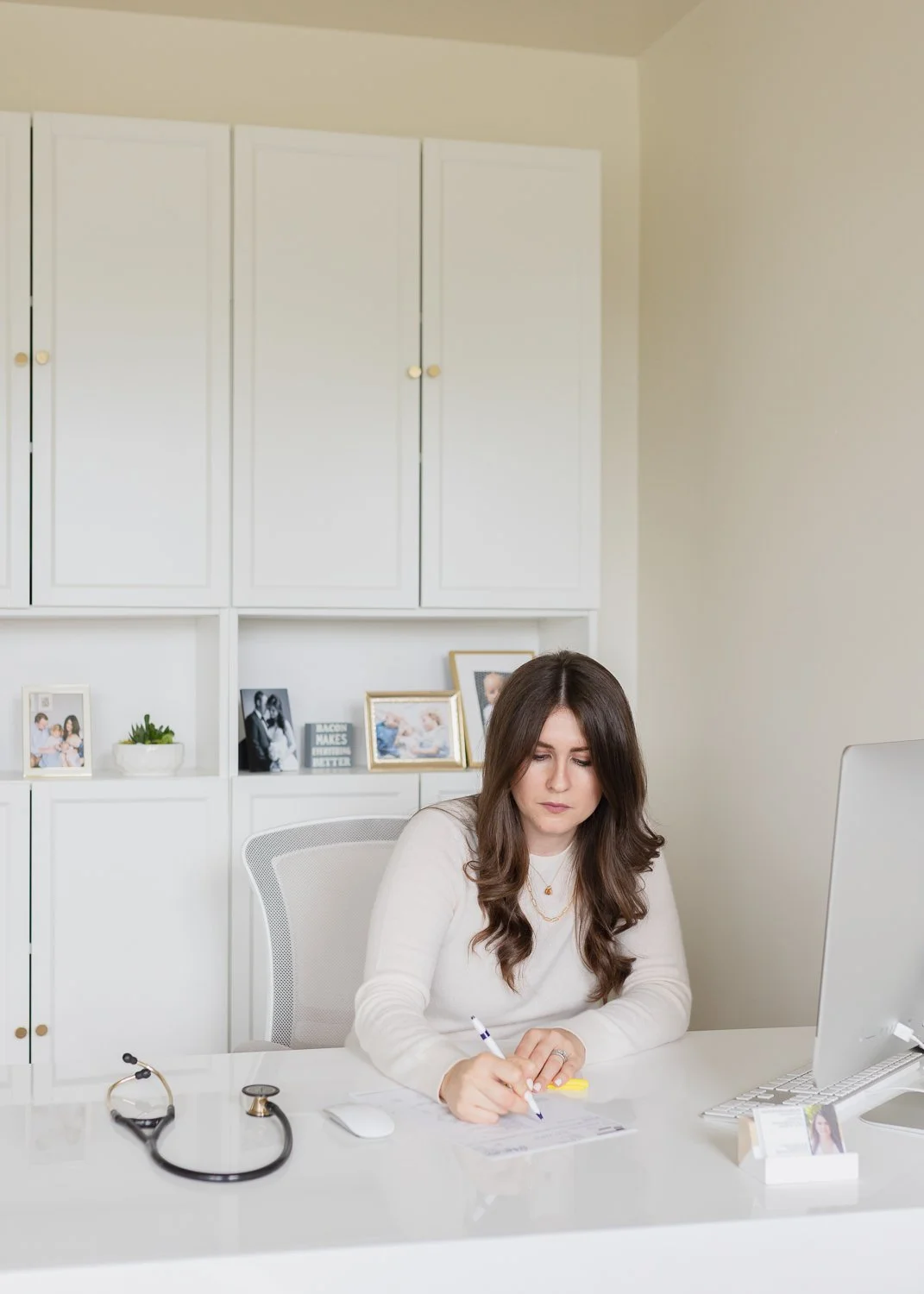
Dr. Denise Handscomb, ND, is our family naturopathic doctor at Abaton Integrative Medicine. She's also one of my long-term clients 😉. You may have seen her family's beautiful photos on my social media before! Dr. Denise has been caring for our whole family's wellness since 2021, and we all love her so much. She's the first person we think of when one of us is sick. Our kids, who don't normally like taking supplements, have loved every one Dr. Denise has given them.
So when I was planning our Fall blog series, I knew right away I wanted to ask her, and I was so happy when she agreed to join me for this collaboration.
Fall is a beautiful season, and it's my favourite. But it's also my busiest time of year, and the start of cold and flu season. Today on the blog, I'm chatting with Dr. Denise about her favourite fall remedies to help our families stay healthy this season.

For readers who haven't met you yet, can you tell us a bit about your background and what led you to naturopathic medicine, particularly for families?
Hi, I’m Dr. Denise Handscomb, a Naturopathic Doctor, mom of three, and someone who has always had a passion for helping children feel their best and supporting families along the way.
I’ve been in practice for just over 11 years, with a particular focus on helping children achieve wellness, feel good in their everyday lives, and build healthy foundations for long-term health and prevention.
I knew from a very young age that I wanted to be a doctor. My own introduction to Naturopathic Medicine came when I was around five years old, when my family started seeing a Naturopathic Doctor. Growing up, I experienced firsthand how supportive this approach to healthcare could be, and it left a lasting impression on me. I knew early on that this was the kind of medicine I wanted to practice.
I’ve also always loved working with children. So, when I welcomed my daughter, my first child, shortly after graduating from Naturopathic college, it felt like the perfect time to bring these two passions together. I decided to focus my practice on pediatric care and women’s health.
Becoming a mom also changed the way I looked at healthcare. I wanted to understand how I could support my own child’s health and wellness from the moment I found out I was pregnant and throughout each stage of childhood. And, just like so many new moms, I quickly realized there is a lot of information out there! It can feel overwhelming trying to figure out what’s helpful, and what applies to your family.
This is why I’m so passionate about sharing what I’ve learned. My hope is to provide families with a safe, trusted, and approachable source of information so that parents feel more confident navigating their children’s health and know they don’t have to figure it all out on their own.
Why do you think we tend to see more colds and flu once fall hits — is it just the weather, or is more going on?
This is such a great question. Getting sick is normal! We don’t want to be afraid of every cold or sniffle. Our immune systems need exposure to germs so they can learn, adapt, and respond to infections.
This is especially true for children. Their immune systems are still developing and learning, so it’s not unusual for them to get sick more often than adults. Every new exposure gives their immune system an opportunity to learn. And, of course, kids are also experts at sharing germs! Being together at school, daycare, activities, and playdates means they’re naturally exposed to more viruses and can spread infections more easily.
That said, our modern lifestyles can sometimes make us more vulnerable to getting sick. When we’re not getting enough sleep, aren’t eating well, are under a lot of stress, or are simply pushing ourselves too hard, our bodies may have a harder time keeping up with everything being thrown at them.
So, while getting sick is completely normal, there are a few things I like to look at more closely. How often are you or your child getting sick? How severe are the illnesses? And perhaps most importantly, how long does it take to fully recover?
Rather than worrying about every single cold, looking at the bigger picture can give us a much better sense of how well the body is coping and where we may be able to offer a little extra support.


What are a few of your go-to natural immune-support strategies as we head into fall — things like diet, supplements, or daily habits?
As we head into fall and winter, it’s a great time to check in on some of the basics that help keep our immune systems supported. One of those basics is vitamin D. Vitamin D plays an important role in maintaining a healthy immune system, supporting the normal function of immune cells, and helping regulate inflammation. Having adequate vitamin D levels may also help protect against some respiratory infections, particularly in people who are deficient.
This is why I often recommend getting your vitamin D levels tested as we head into the cooler months. Testing gives us a better idea of where your levels are starting from and allows us to choose an appropriate supplement dose if needed, with the goal of bringing your levels into an optimal range rather than simply guessing at how much you need.
From an Asian medicine perspective, the transition into fall is a wonderful time to shift toward warm, nourishing, cooked foods. As the weather gets cooler, choosing foods that are gentle on digestion and comforting to the body can help us adapt to the change in season. Think about root vegetables like sweet potatoes, carrots, squash, and pumpkin, along with warm grains, soups, beans, lentils, and gently cooked vegetables. Warming spices such as ginger, cinnamon, cardamom, garlic, and fennel can also be lovely additions to your meals. This is the season for cozy soups, hearty stews, nourishing porridges, and even warm, cooked fruit, foods that feel especially comforting as we move away from the lighter meals of summer.
And, of course, one of the simplest and often overlooked ways to support your immune system is getting enough quality sleep. As the days get shorter and the weather cools down, maintaining a consistent sleep routine can give your body the time it needs to rest, repair, and restore. Good sleep supports not only the immune system, but also mood, concentration, energy, and the body’s natural ability to respond to illness. Think of it as one of your most basic forms of seasonal self-care.
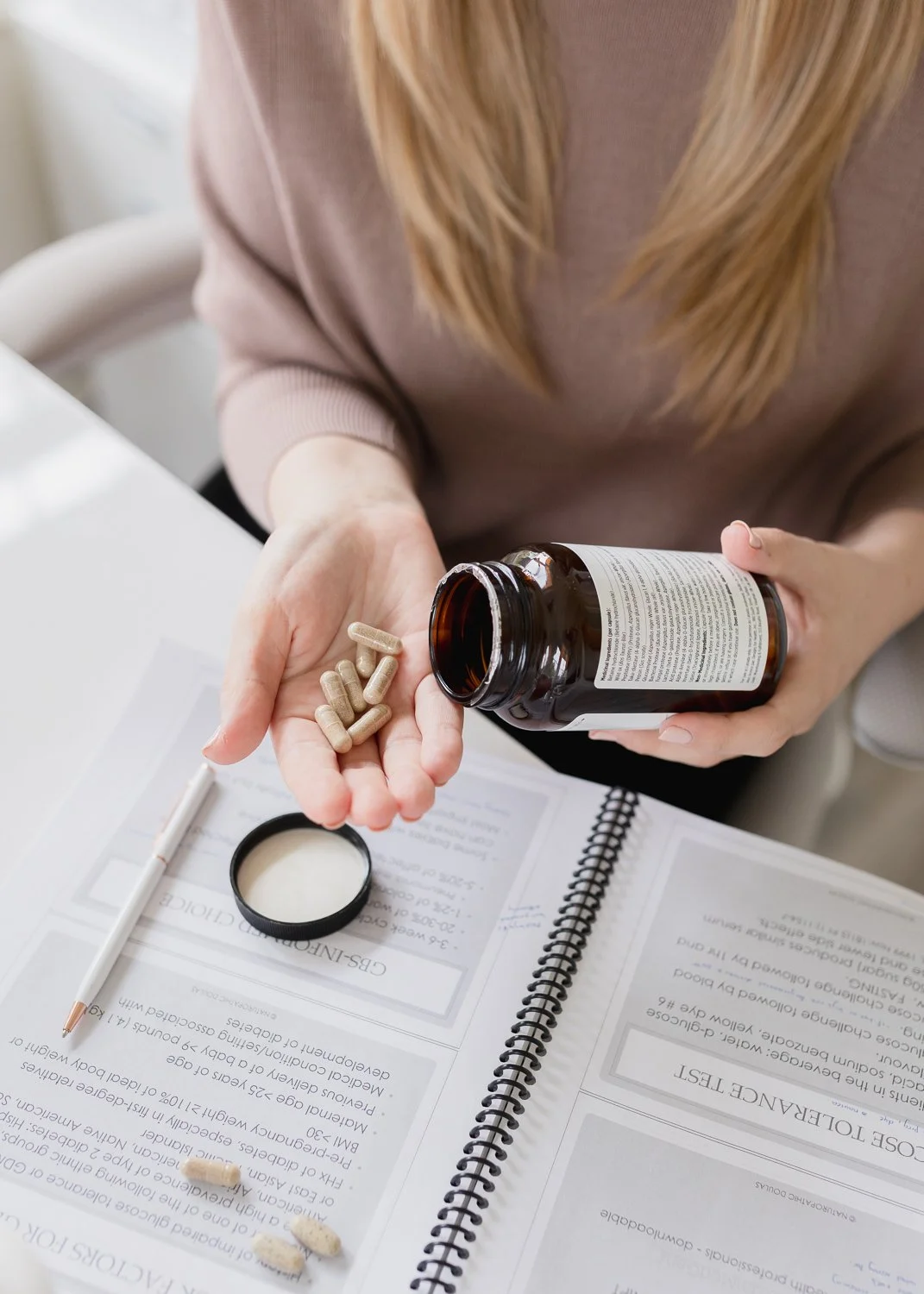
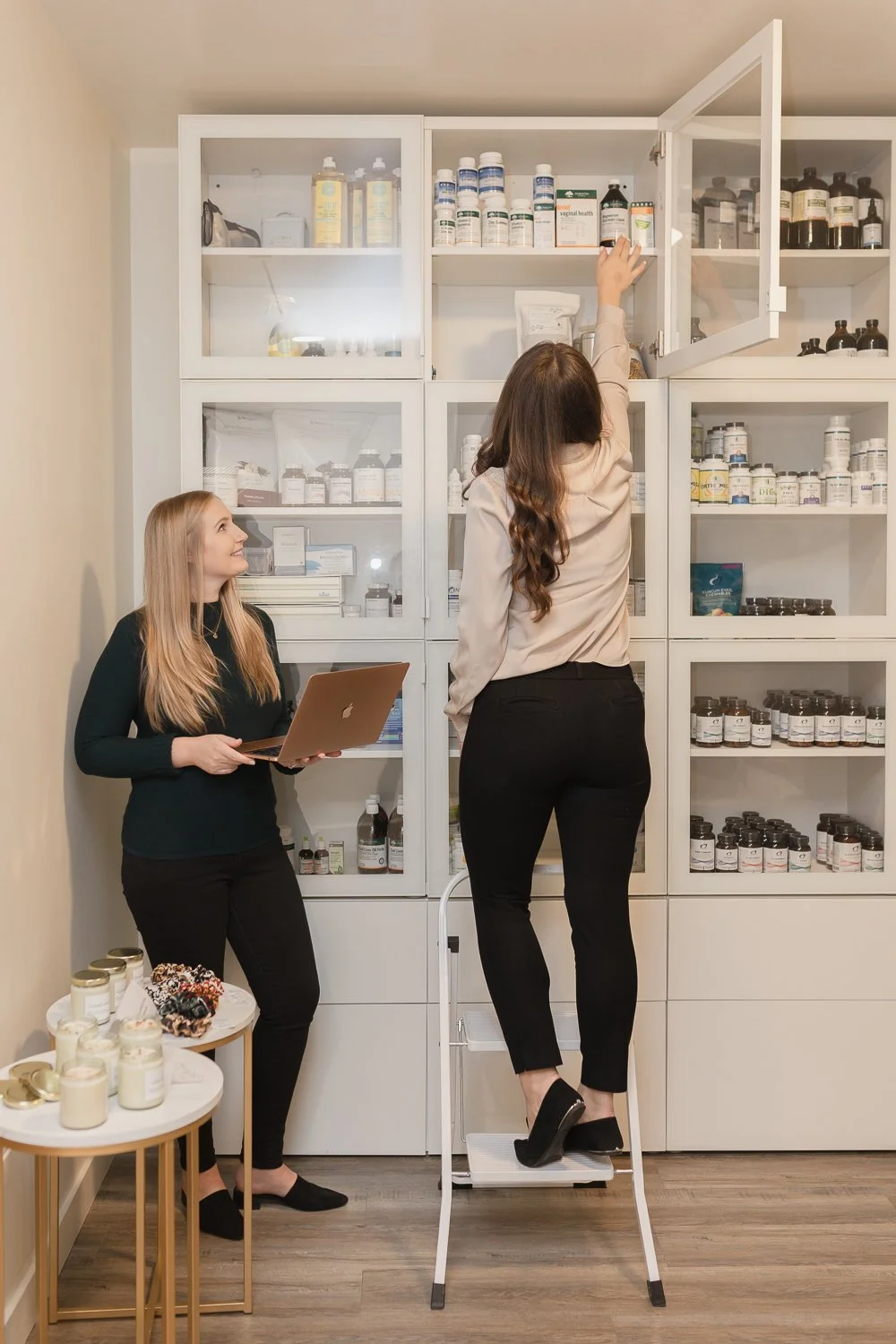
When it comes to supplements, there are several go-to options that may be appropriate for different members of the family. Of course, the right supplement and the right dose depend on the individual, their age, health history, and nutritional needs. Some commonly recommended options include vitamins A, C, and D, zinc, and herbal supports such as astragalus, echinacea, and andrographis.
Are there any natural remedies you recommend specifically for kids, or that are safe during pregnancy/postpartum?
When it comes to supporting your child’s immune system, many of the same vitamins, minerals, and herbs we use for adults can also be used for children; we just adjust the dose based on their age and needs.
I often recommend thinking about immune support before the school year gets underway rather than waiting until everyone is already passing around the latest bug. August can be a great time to start putting some simple, preventative habits in place, especially as we head into cooler weather and back-to-school season.
One of my personal favourites is cod liver oil, and starting it in August can be a simple way to add vitamins A and D, along with omega-3 fatty acids, to your child’s routine. Vitamin A helps support healthy skin and mucous membranes, which are important parts of the body’s first line of defence against infection. The omega-3 fatty acids in cod liver oil may also help support a healthy inflammatory response.
There are lots of other vitamins, minerals, and herbs that can be used to support children, just as we do with adults. When it comes to pregnancy, however, there are more limitations around what we recommend. Echinacea, garlic, and vitamin C are some options that may be considered, but it’s always important to speak with your ND or healthcare provider before taking any supplements or herbs during pregnancy. Everyone, and every pregnancy, is different.
Breastfeeding gives us a little more flexibility when it comes to supporting mom, although it’s still important to consult with your Naturopathic Doctor, and they can help you navigate this.
What's one thing you wish more patients knew about supporting their immune system naturally?
When your child develops a fever, it’s completely understandable to feel worried. But a fever isn’t always something we need to bring down right away. In fact, a fever is one of the ways the body naturally responds to infection. A higher body temperature can make it harder for certain viruses and bacteria to grow, while also helping activate the immune system to fight the infection.
A fever is generally defined as a temperature of 38°C (100.4°F) or higher. For most children, fevers below 40°C (104°F) are part of the body’s natural response to infection and, by themselves, are not usually a cause for alarm.
Of course, there are times when you should reach out for medical care. If your child is extremely lethargic, limp, or unresponsive; has a severe headache or stiff neck; is having difficulty breathing; has a fever above 40°C that isn’t responding to medication; or has a fever lasting three or more days without improving, it’s important to have them assessed.
And there’s one age group where we want to be especially cautious, babies under 3 months old. If a baby this young has a temperature of 38°C (100.4°F) or higher, they should receive prompt medical attention.
The good news? A fever is often simply the body doing what it’s designed to do, responding to an infection and working to get your little one feeling better.
How do you help patients tell the difference between "ride it out" and "this needs more attention"?
You know your child better than anyone, and this is something I always remind parents. Trust your instincts. There are certain signs to watch for when your child is unwell, but you’ll often have that feeling when something just doesn’t seem right or when you need a little extra support. And it’s always okay to reach out when you’re unsure.
Some signs that it’s time to seek medical care include extreme lethargy, a child who is limp or difficult to wake, difficulty breathing, a very high fever that isn’t coming down with medication, or a fever that lasts more than three days.
For a typical viral infection, symptoms often start to appear over the first 1–2 days and tend to peak around days 2–3. By about days 3–5, the fever has usually resolved, and you may notice your child starting to get some of their energy and appetite back. By days 5–7, they’re often noticeably better, although they may still be a little tired or have some lingering cough or congestion. It’s also completely normal for a cough to hang around for 1–3 weeks after an infection has otherwise cleared.
Bacterial infections can sometimes look very similar to a viral infection at first. One thing to watch for is when symptoms aren’t starting to improve or are actually getting worse instead of better. That’s a good time to check in with your healthcare provider, as antibiotics may be needed depending on the infection.
Most importantly, remember that recovery isn’t always a straight line. Some days may be better than others, and your child may need a little extra rest and TLC along the way. Trust what you’re seeing, trust your instincts, and don’t hesitate to ask for help when you need it.
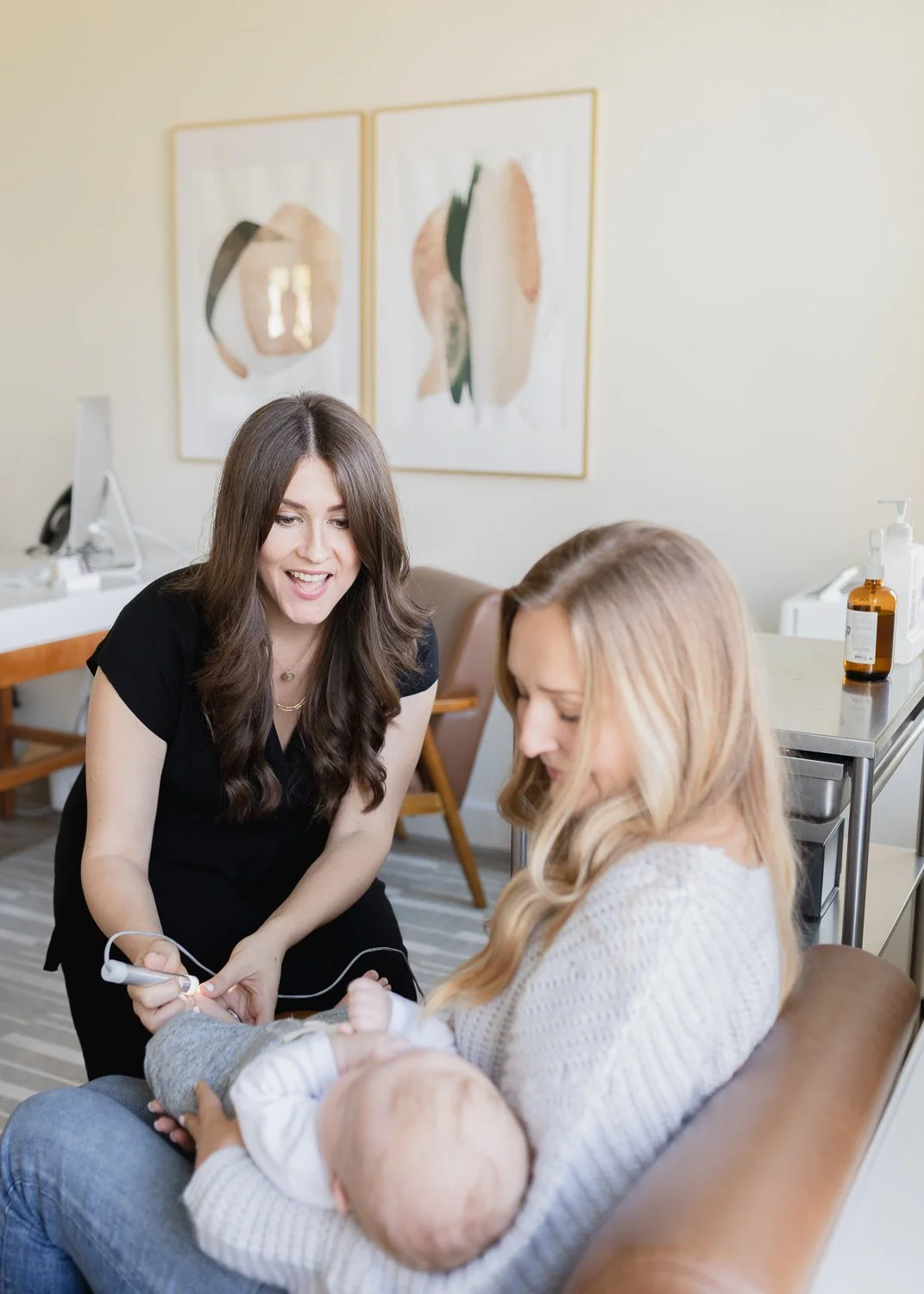

For readers who want to work with you directly, what's the best way to get in touch or learn more about your practice?
The best way to work with one of the Naturopathic Doctors on our team is to contact Paula, our patient care coordinator, by email or phone and she can get you set up – (905) 580-3333 or info@abatonim.com. You can also follow us on Instagram at @abaton_integrative_medicine, or check out our website at: https://abatonim.com/
Lucy, thank you so much for thinking of me for this little blog collab! It means so much coming from someone who has been such a special part of our family’s memories over the years. You are incredibly talented, and we’re always so grateful to have you capture our family so beautifully. So happy to be a small part of this with you! 🤍
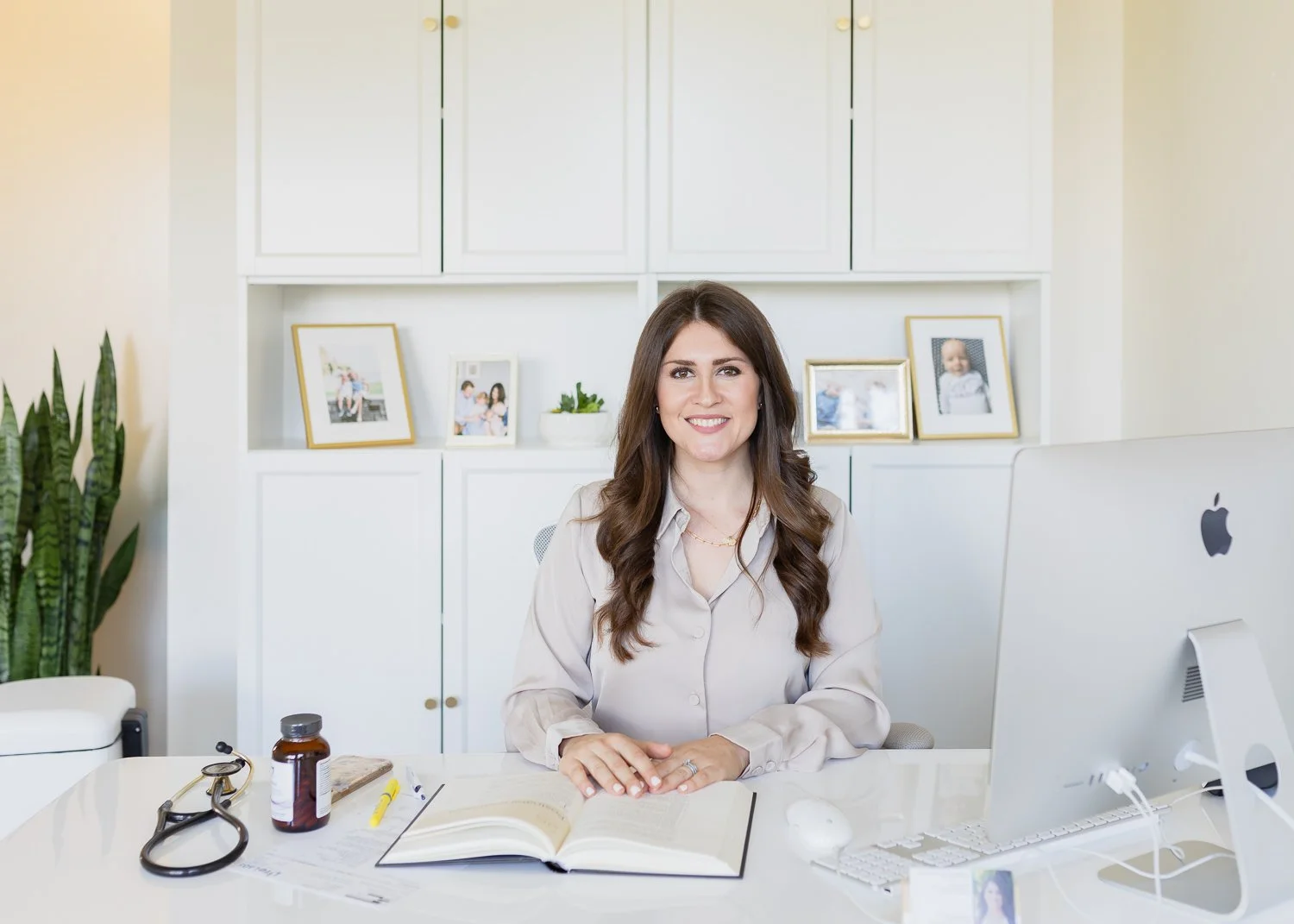
Dr.. Denise Handscomb, ND, at Abaton Integrative Medicine
Thank you so much, Dr. Denise, for sharing your knowledge with us! I learned so much from this interview, especially about fevers. That's something I know so many of us worry about as parents, and it's so reassuring to understand what our kids' bodies are actually doing. And thank you for your kind words. It truly means so much to me to be part of your family's memories.
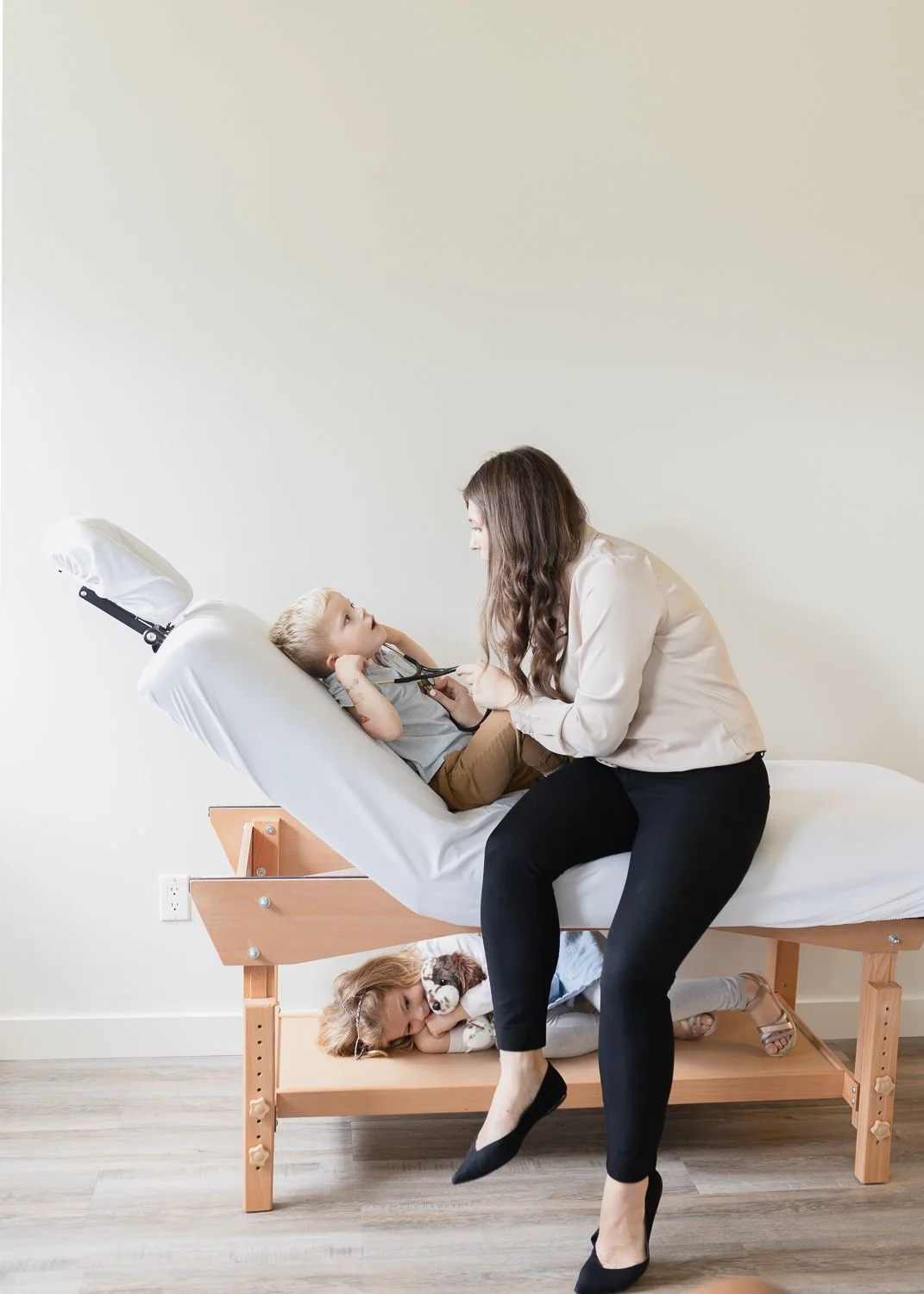
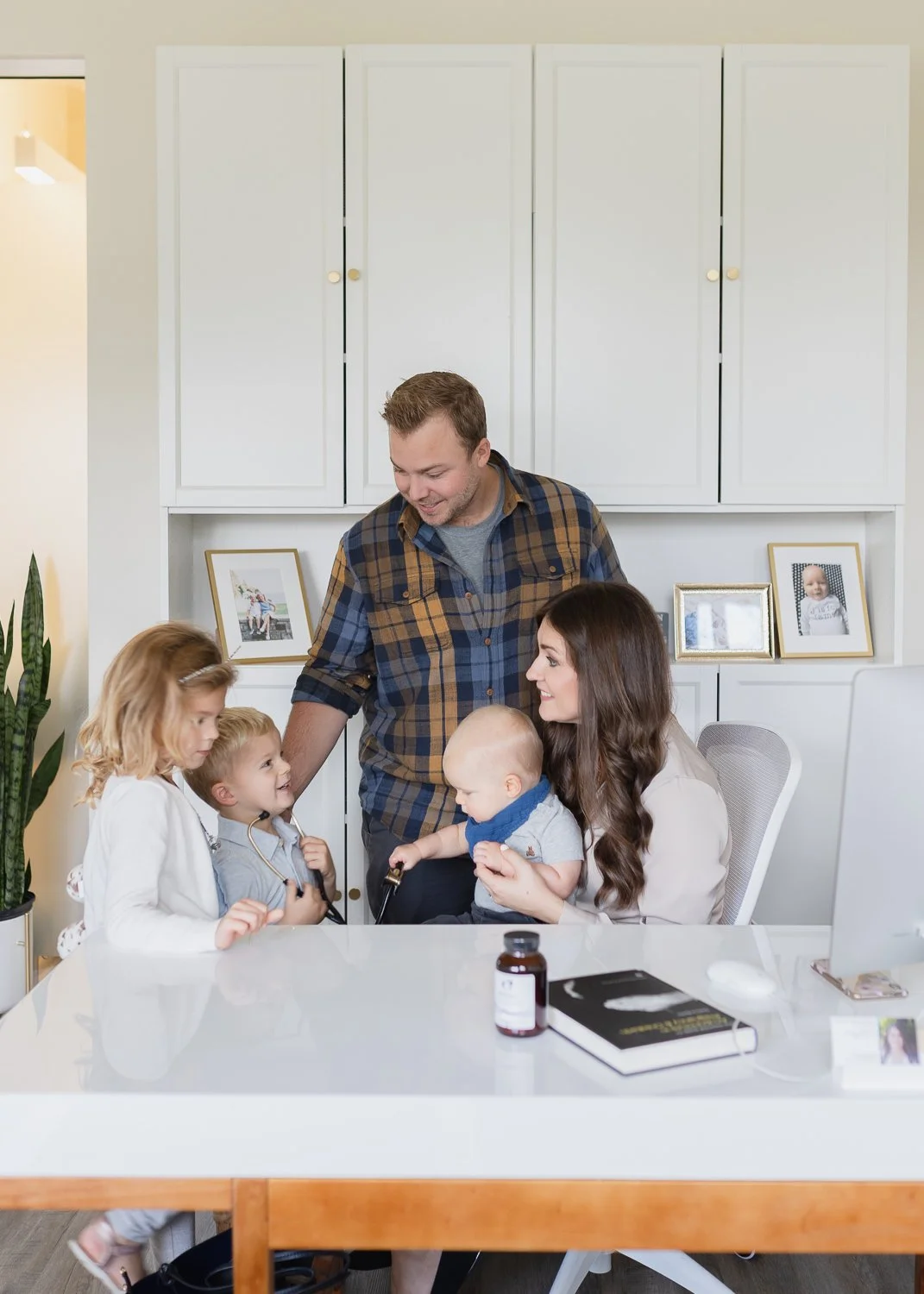
All the photos above are from our last branding session together. It was so fun to look back and see how much the kids have grown! If you're a local service provider looking to upgrade your brand imagery, I'd love to chat. You can check out my work here.
Wishing you and your little ones a cozy and healthy fall! Stay tuned for the next post in our Fall blog series.
Disclaimer: This post is for general information only and isn't a substitute for medical advice. Please speak with your naturopathic doctor or healthcare provider before starting any new supplements, especially during pregnancy or breastfeeding.